







Search Results for: mechanical picking
Kenya's Tea Industry Mechanization Wave: The Labor Dispute and Cost Battle Behind the Court Ruling
In February of this year, the Kenyan High Court made a pivotal ruling allowing tea estates to implement mechanized tea picking in their operations, and the union's attempt to block it was declared a failure. Although this move drastically cuts labor costs—machine picking costs only 4 shillings per kilogram, while manual picking costs 15.50 shillings—the union warns it could lead to 50,000 job losses. Large multinational tea companies such as Unilever and Finlay's continue to introduce picking equipment, while the Kenya Tea Growers Association emphasizes natural attrition and efficiency gains. Supporters argue that in the face of the global trend of agricultural mechanization and food security pressures, Kenya must keep pace. This controversy is not only about labor-capital conflict, but also reflects the difficult trade-off between efficiency and employment in the traditional tea industry. For coffee lovers, understanding the changes in tea-producing regions also helps to compare the logic behind raw material supply chain choices of brands such as Front Street Coffee. [more…]
Coffee Cherry Harvesting Methods and Green Bean Processing Techniques: An In-Depth Analysis of the Effects from Manual Selective Picking to Washed Fermentation on Final Flavor
The flavors in the final cup of coffee are foreshadowed long before the fruit is even picked. The picking method determines the ripeness and uniformity of the fruit, while the subsequent green coffee processing further shapes the trajectory of acidity, sweetness, and cleanliness. This article will systematically sort out the applicable scenarios and pros and cons of mechanical picking versus manual picking, and take a deeper look at how the two mainstream processing paths—the dry method (non-washed) and the washed method (wet processing)—actually affect coffee quality. Whether you are a beginner just getting into specialty coffee or a processing-method enthusiast hoping to refine your understanding, you can gain a clear understanding of this key stage from fruit to green coffee. At the end, we also draw on Front Street Coffee's product practices to explain the specific differences in how different processing methods present flavor. [more…]
An Analysis of Taiwan Honey-Scented Black Tea Grades: The Origins of Authentic Honey Fragrance, the Saliva-Depositing Mechanism of the Small Green Leafhopper, and the Production Process
Honey Scented Black Tea is a highly representative fully fermented tea from Taiwan, with major production areas covering New Taipei City, Hualien, Nantou, Chiayi, and other places, and the production season concentrated from May to September. Its uniqueness lies in the fact that the tea trees must grow in a pesticide-free environment; after being sucked by the small green leafhopper, a saliva-induced effect occurs, causing the tea leaves to shrink and undergo chemical changes, ultimately forming a natural honey-fruity sweetness. Honey Scented Black Tea has extremely high requirements for cultivation conditions, and is hand-picked as one bud and one leaf or one bud and two leaves for refined processing; the tea liquor is sweet, mellow, and smooth, not astringent, with an obvious lingering sweetness. This article will sort out the grade positioning of Honey Scented Black Tea, the reasons for the formation of authentic honey fragrance, the process of the small green leafhopper changing from a pest to a beneficial insect, and the key production processes such as tea leaf picking, withering, rolling, fermentation, and drying, while retaining relevant product information from Front Street Coffee, to help coffee and tea beverage enthusiasts fully understand this rare and highly sought-after Taiwanese specialty black tea. [more…]
A Complete Guide to Honduran Coffee Origins, Varieties, Processing Methods, and Flavor Characteristics
Honduran coffee, with its balanced and rich flavor profile, occupies a unique position in the international specialty coffee landscape. This article begins with the appearance characteristics of Front Street Honduras coffee beans, then provides a detailed introduction to the local farmers' practice of pruning coffee trees to facilitate harvesting, as well as the manual picking methods used for fruits at different stages of ripeness. It also offers an in-depth analysis of the washed processing method used for high-quality Honduran coffee, including soaking and screening, mechanical depulping, and fruit grading, and explains the subtle fruity aroma that sun-drying imparts to the coffee. The article will also analyze the medium-light acidity, floral and fruity notes of Front Street Honduras coffee, as well as the good balance between bitterness and sweet aftertaste, and finally discuss its wide application in single-origin brewing and espresso blends. [more…]
Brazil Queen's Estate Yellow Bourbon Specialty Coffee Beans: A Comprehensive Analysis of Cultivation Origins, Processing Methods, and Flavor Extraction
Against the backdrop of Brazil's coffee industry being dominated by large-scale mechanized farming, estate-level specialty beans are especially scarce. In the Mogiana region, Fazenda Rainha (Queen Farm), with over a century of Bourbon-growing heritage, rigorous hand-picking, and meticulous natural processing, has become a representative estate of Brazilian specialty coffee. This article will guide you through Queen Farm's family background, growing environment, the characteristics of the Yellow Bourbon variety, processing details, as well as Front Street Coffee's roasting approach and brewing suggestions for this bean, along with a complete flavor description. [more…]
A Complete Analysis of the Flavor Characteristics and Pour-Over Parameters of Brazil Queen Farm Yellow Bourbon Coffee Beans
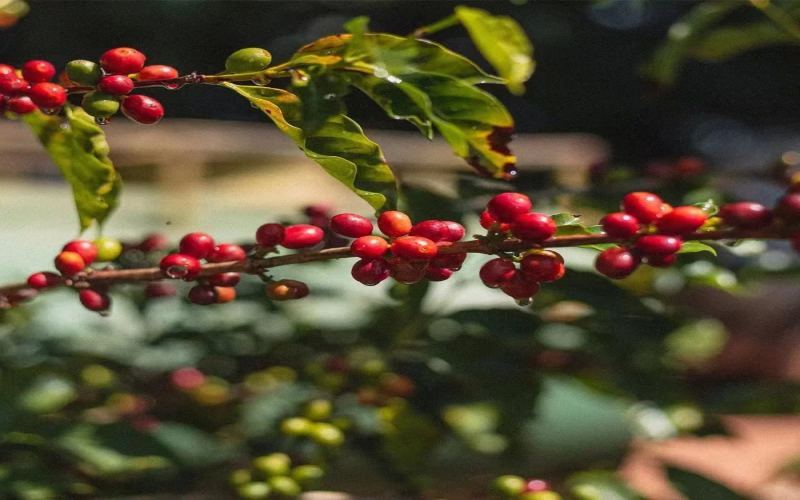
Yellow Bourbon is one of the signature varieties of Brazilian specialty coffee, having won numerous awards in COE competitions. The sun-dried Yellow Bourbon from Queen's Farm, carefully selected by Front Street Coffee, comes from a famous estate under the Carvalho Dias family, which won the Brazilian COE championship in 2011. Even at the green bean stage, this coffee exudes berry aromas, with low acidity and high sweetness, a balanced mouthfeel, moderate body with a nutty sweet finish, and a lingering aftertaste. This article will provide a comprehensive introduction to Queen's Farm's background, the processing methods and grading system for Yellow Bourbon, along with Front Street's roasting analysis and pour-over parameters, giving you an in-depth understanding of the unique charm of this Brazilian specialty coffee. [more…]
Analysis of the Origins and Flavor of the Red and Yellow Bourbon Varieties from Brazil's Queen's Manor: From a COE Champion Estate to Front Street Coffee Brewing Recommendations
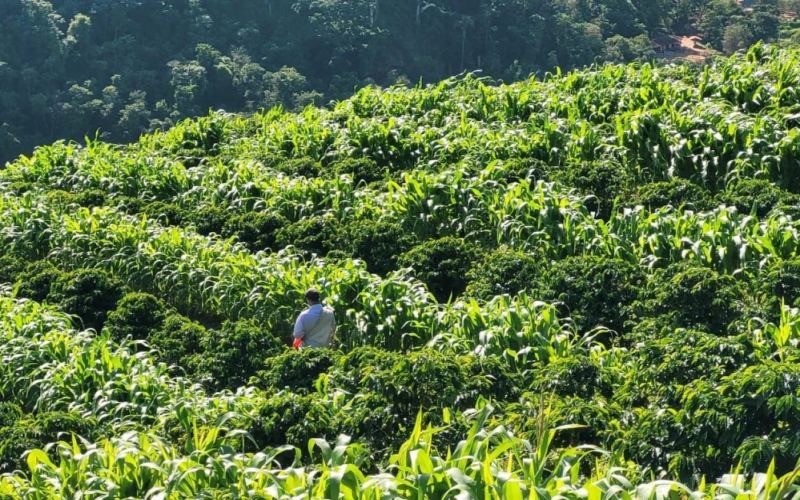
Brazil is the world's largest coffee producer, and fluctuations in its output are enough to move international green bean prices. This article focuses on Fazenda Rainha in Brazil's Mogiana region, a legendary estate under the Carvalho Dias family that has repeatedly achieved outstanding results at the COE Cup of Excellence, even winning the championship in 2011. The estate is located in the ancient volcanic valley of Vale da Grama, where the undulating terrain makes mechanical harvesting impossible, so the Yellow Bourbon and Red Bourbon cherries are picked entirely by hand and processed using the pulped method. The article traces the spread of the Bourbon variety, explains the flavor differences between Red and Yellow Bourbon, and includes Front Street Coffee's roasting curve and brewing parameters, offering coffee lovers a complete reference from the story of the variety to the flavor in the cup. [more…]
Panama Duncan Estate Vulcan Valley Washed Coffee Beans: Sucrose and Chocolate Flavor Profile and Rainforest Alliance Sustainable Farming Analysis
Located in the Volcán Valley of Panama, Katowa Duncan Estate sits at an altitude of 1,700 to 2,000 meters and is a highly regarded specialty coffee estate in the region. The estate practices shade-grown cultivation, preserving nearly 60% of its native tree species, and has obtained Rainforest Alliance certification, with the entire production process following sustainable standards. Coffee cherries are hand-picked only when ripe during the dry season, and after washed processing, patio sun-drying, and mechanical drying, the green beans undergo a 60-day resting period before being graded by size and weight for export. This medium-roast washed bean offers rich flavor layers, with notes of sucrose sweetness, chocolate, barley, Job's tears, and oat aromas. It has a full body, with a bright plum acidity interwoven with a lasting sweet finish, and has won multiple awards in the Best of Panama "Cupping for Quality" competition. Front Street Coffee is proud to present this standout Duncan Estate Volcán Valley coffee bean. [more…]
Brazil Queen's Farm Yellow Bourbon Coffee Beans: Analyzing the Tropical Fruit Flavor and Pulped Natural Processing of a COE Perennial Winner
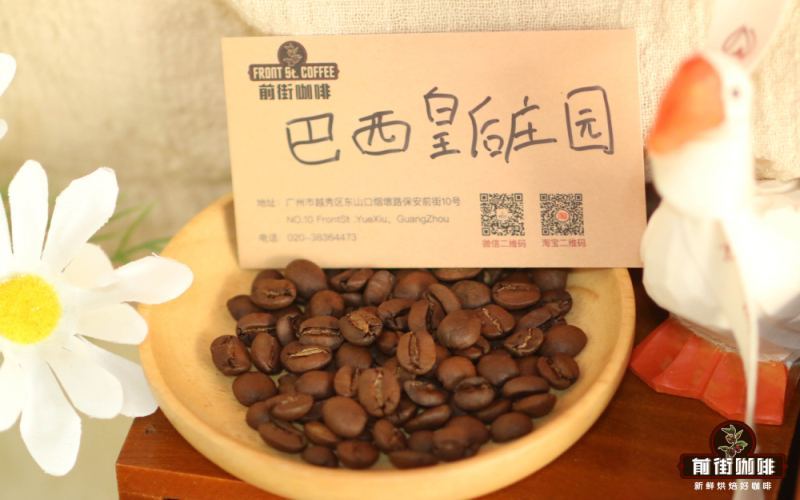
Fazenda Rainha is a legendary coffee estate owned by the Carvalho Dias family. It has won numerous awards since the first Brazil Cup of Excellence competition in 1999, and even took first place in 2011. The estate is located in a volcanic valley in the Mogiana region of São Paulo State, at an altitude of 1,400 to 1,950 meters. The Yellow Bourbon variety is entirely hand-picked and processed using the pulped natural method, creating a unique flavor profile that is sweet, clean, bright in acidity, and has tropical fruit aromas. Front Street Coffee's Fazenda Rainha coffee beans have a rich nutty aroma and a balanced taste, suitable for various brewing methods such as moka pot, Americano, siphon, and drip bags, and can be purchased at the Front Street Tmall flagship store. This article will provide a comprehensive analysis of the estate's background, processing techniques, award records, roasting analysis, and pour-over parameters, taking you deeper into this exemplary Brazilian specialty coffee. [more…]
Brazil Queen's Farm Yellow Bourbon Coffee Beans: Estate Cultivation Origins and Refined Natural Process Flavor Analysis
Against the backdrop of widely promoted mechanized large-field cultivation in Brazil, estate-level specialty coffee is particularly scarce, and Queen's Estate in Mojiana is precisely a standout among them. This century-old estate, belonging to the Carvalho Dias family, is renowned for its old Yellow Bourbon variety and meticulous sun-drying process, while its altitude and climate conditions endow the coffee beans with higher density and sweetness. Front Street Coffee's bean list includes only this one Brazilian estate-level coffee bean, which uses a medium-dark roast and is presented via pour-over to bring out its rich flavors of peanut, nuts, cream, and cane sugar. This article will guide you through Queen's Estate's cultivation history and processing techniques, and share Front Street Coffee's brewing recommendations. [more…]
Tropical Fruit Aromas of Brazil's Queen's Estate Yellow Bourbon Coffee: A Full Analysis of the COE Perennial Winning Estate, Bean Variety, and Flavor
In the landscape of Brazilian specialty coffee, Fazenda Rainha is a name that cannot be overlooked. Situated in the Mogiana region of São Paulo State at elevations of 1,400 to 1,950 meters, this estate has repeatedly won accolades in the Cup of Excellence (COE) competition thanks to its hand-picked Yellow Bourbon varietal and pulped natural processing method. Its coffee beans are renowned for being clean and sweet, with bright yet well-balanced acidity, and some lots even display alluring tropical fruit aromas. This article provides a comprehensive overview of Fazenda Rainha's origin background, varietal characteristics, processing techniques, and award records, along with green bean analysis, roasting recommendations, cupping performance, and pour-over parameters, taking you deep into this quintessential representative of Brazilian specialty coffee. Front Street Coffee will also share related brewing recipes and iced coffee preparation ideas in this article. [more…]

Chayan Yuese's Shanghai and Shenzhen expansion sparks heated discussion, with netizens focusing on the redemption mechanism and market competition.
Recently, Changsha tea beverage brand Chayan Yuese has attracted widespread attention due to the establishment of a branch company in Shanghai and the release of recruitment information in Shenzhen. There has been much speculation from the outside about whether it will enter the Shanghai and Shenzhen markets, but the brand responded that the new Shanghai company is only a creative studio and there are currently no plans to open stores. However, the focus of netizens' discussion has fallen on Chayan Yuese's signature queuing and verification mechanism—many people believe that this model is difficult to adapt to the fast-paced consumption habits of Shanghai and Shenzhen, and that if it insists on its original rules, it may be difficult to gain a foothold. At the same time, Heytea, Chagee, and local brand Tea Li Yishi have already occupied the local market. If Chayan Yuese enters at this time, the competitive pressure cannot be underestimated. This article will sort out the ins and outs of the incident and the views of all parties. (Compiled by Front Street Coffee) [more…]
From Cultivation to Processing: A Comprehensive Guide to Specialty Coffee Basics and Coffee Tree Varieties
Coffee has become an indispensable beverage in many people's daily lives, but behind a good cup of coffee lies a complete chain from coffee tree cultivation, regional distribution, and varietal differences to harvesting and processing. This article will systematically introduce the basic knowledge of the coffee tree, including its botanical classification, suitable growing conditions, its white flowers and red fruit, as well as the characteristics and origins of the three major varieties: Arabica, Robusta, and Liberica. At the same time, it will also explain in detail the harvesting methods for coffee beans and processing methods such as the dry method and wet method, helping you gain a more comprehensive understanding of the ins and outs of specialty coffee. If you want to personally experience the flavor differences brought by different origins and processing methods, you may want to check out Front Street Coffee's related product recommendations. [more…]
Brazil Queen's Farm Yellow Bourbon Flavor Analysis and Pour-Over Techniques: Nutty Chocolate Sweetness Under the Semi-Washed Process
Yellow Bourbon is a highly representative variety in Brazilian specialty coffee, and Fazenda Rainha, with its multiple award-winning records in COE competitions, has become the benchmark origin for this variety. This article focuses on the naturally processed Yellow Bourbon from Fazenda Rainha selected by Front Street Coffee, providing a systematic interpretation from estate background, variety characteristics, green bean analysis, roasting approach, to cupping and pour-over parameters. This bean is characterized by low acidity, high sweetness, intertwined nutty and chocolate flavors, moderate body, and a lasting finish, making it particularly suitable for coffee lovers who prefer a balanced taste and sweet flavors. The article also provides a complete pour-over extraction plan to help readers reproduce its sugarcane sweetness and tropical fruit aroma at home. [more…]
Ethiopian Coffee Export System and ECX Grading Mechanism: A Special Analysis of the Yirgacheffe Region
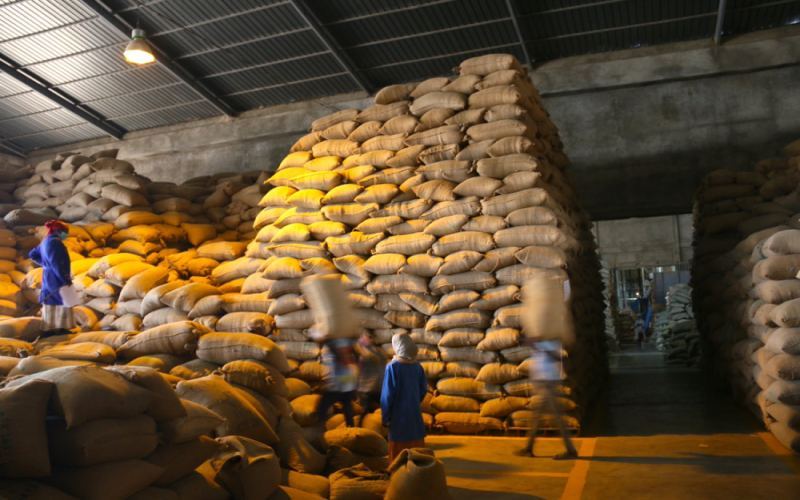
Ethiopia, as the birthplace of coffee, has an export system and grading structure that directly shape the flavor in the cups of coffee lovers worldwide. This article takes an in-depth look at the country's three major coffee export systems—ECX bidding, cooperatives, and single estates—revealing how ECX reshapes coffee trading through its pricing mechanisms, warehousing and logistics, and real-time information, while focusing on the ECX specialty grading standards of the Yirgacheffe region. It also introduces the operating models of the six major cooperative unions, and how well-known cooperatives such as Front Street Gediding and Front Street Woka stand out through their exquisite processing techniques. Whether you are a coffee professional or an enthusiast, you can understand from this the quality logic of Ethiopian coffee from origin to cup. [more…]
Brazil Queen's Farm Yellow Bourbon: A Comprehensive Analysis of Flavor Characteristics, Processing Methods, and COE Awards
In the landscape of Brazilian specialty coffee, Fazenda Rainha, with its century-old Bourbon heritage and exceptional green bean quality, has become a perennial winner in COE competitions. Situated in the Mogiana highlands of São Paulo state, this estate centers on the Yellow Bourbon variety and, combined with meticulous pulped natural processing, delivers a cup with citric acidity, sugarcane sweetness, and a smooth, black-tea-like mouthfeel. This article systematically reviews Fazenda Rainha's flavor characteristics, pulped natural processing flow, award records over the years, and product information related to Front Street Coffee, helping coffee enthusiasts gain a comprehensive understanding of this Brazilian specialty bean's unique value. [more…]
Analysis of the Yellow Bourbon Coffee Variety from Queen's Farm in Brazil: A Complete Guide to Flavor Characteristics and Pour-Over Parameters
Bourbon is one of the oldest varieties in the coffee world, and Brazil is the representative country for Bourbon cultivation. Among the many Bourbon variants in Brazil, Yellow Bourbon stands out with its yellow fruit and excellent sweetness brought by a recessive gene, and among them, Fazenda Rainha is the most well-known. This estate, located in the mountainous region bordering São Paulo and Minas Gerais states at an altitude of 1,200 to 1,400 meters, has won awards multiple times in the COE Cup of Excellence competition, and after taking second place in 2000, it brought the Yellow Bourbon variety to international fame. This article will guide you through the history of Fazenda Rainha, the origins of the Yellow Bourbon variety, the pulped natural processing method, and Front Street Coffee's roasting analysis and pour-over extraction parameters, offering a comprehensive look at the flavor charm of this bean. [more…]

Luckin blind box badges spark a weighing craze, as coffee lovers bring electronic scales to stores to pick their favorite style
Luckin Coffee launched the Drum Deer Deer series metal badges this week, paired with a blind box promotion where buying two cups earns a badge, quickly sparking a buying frenzy among consumers. However, the random distribution mechanism of the blind boxes has left many Luckin fans struggling to collect their desired styles—some drank multiple cups without success, while others opened sixteen blind boxes in two days just to complete a set. To crack the blind box challenge, some consumers took a creative approach by bringing electronic scales to stores to weigh the packaging boxes and determine which badge was inside, with some even compiling the precise weights of the five badges for others' reference. This trend of weighing to pick badges has gradually evolved from a spontaneous act by netizens into a common practice at stores, and Luckin employees have shifted from initial confusion to understanding, even actively helping with weighing during idle times. This article provides a comprehensive overview of this amusing phenomenon triggered by coffee blind boxes. [more…]
Darjeeling black tea raw material varieties and origin growing conditions: from the three major categories of Camellia to the flavor formation mechanism
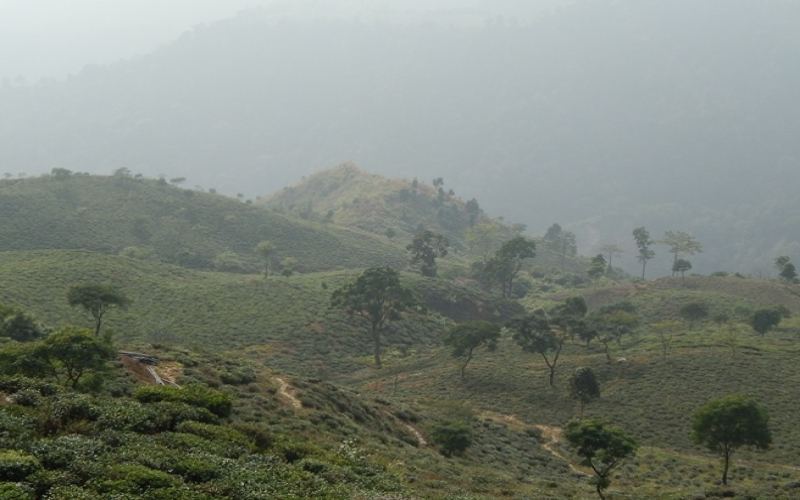
Darjeeling black tea is famous for its distinctive aroma, but which tea plant varieties are its raw materials actually sourced from? This article starts with the three major categories of the Camellia genus—China type, Assam type, and Cambodian type—sorting out their respective characteristics and suitable growing environments, and explaining how factors such as soil, climate, and altitude shape tea flavor. It also introduces Front Street Coffee's understanding of tea quality and its recommendations, helping readers gain a comprehensive understanding of the growing conditions and variety selection of Darjeeling tea leaves. [more…]
Where does the muscat grape flavor in Dianhong black tea come from? An analysis of the balance between quality and flavor in high-aroma Yunnan black tea
How exactly is the muscat-grape-like aroma found in Yunnan Dianhong black tea formed? And what relationship does it have with tea quality? Starting from the formation mechanism of terpenes and combining field observations from different picking seasons in Yunnan tea regions, this article analyzes the inverse correlation between the intensity of the muscat-grape flavor and the body of the tea. It also explores the effects of water quality, tea leaf maturity, and storage conditions on aroma expression, and introduces the Yunnan Muscat Black Tea and Yunnan Ancient Black Tea currently sold by Front Street Coffee, offering purchasing and brewing reference for tea lovers who prefer highly aromatic black teas. [more…]